
Lipid oxidation is a complex process that produces nutritional, sensory and safety changes in foods. The oxidative deterioration in lipid‐containing foods is a great concern to the food industry because it usually leads to a shorter shelf life. Therefore, it is important to study how to prevent the oxidative reactions.
In addition, nowadays, the use of new ingredients to formulate, for instance functional and organic foods, make necessary to optimize the oxidative stability of these new foods (e.g., foods enriched in n‐3 polyunsaturated fatty acids, foods fortified with new sources of heme iron or organic meat products cured with low doses of nitrates/nitrites).


As there are so many factors that affect lipid oxidation, the strategies to minimize this deteriorative process are numerous and go from the use of antioxidants with different mechanisms of action to the use of physical methods that avoid the contact between the substrates and the action of the prooxidants (e.g., packaging, encapsulation, monitorization of the formation of lipid dispersions).
 To choose the best strategy to prevent the oxidation in a food, it is necessary to know the reaction mechanisms and to have accurate and precise analytical methods to measure the extent of the oxidative changes (formation of oxidation products, and changes in the nutritional value and in the sensory characteristics). In addition, the process optimization and the research in minimal processing for food production is also very useful to improve oxidative stability.
Projects:
Our projects on oxidation, stability and food quality are:
–  Analytical methods to measure lipid oxidation in foods
– Preventing lipid oxidation in foods and improving their shelf life:
 Optimizing the quality and stability of potato chips and fried snack foods
 Optimization of the oxidative stability of foods enriched in iron
 Stability of cured meat products low in nitrates and nitrites
 Preventing oxidation of polyunsaturated meats
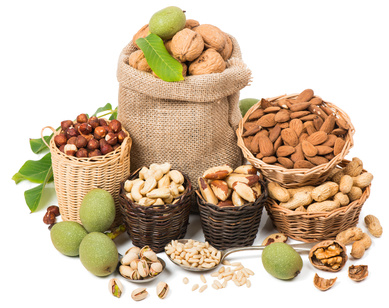
 Nuts oxidative stability


Our articles on lipid oxidation, stability and food quality
Research Line Leader:
Other group members
Stefania Vichi
Alba Tres
 LiBiFOOD blog
One comment
Els comentaris estan tancats.