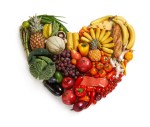
The main objective of this area of research is to study the effect of the diet on different indicators of intestinal health, such as the ability to absorb nutrients and the epithelial barrier function.
The digestive system, in addition to digestion and absorption of nutrients, constitutes one of the first defense barriers of the organism against potentially harmful external agents such as allergens, toxins and pathogens. This barrier is formed by mucus secreted by goblet cells of the intestinal epithelium, the continuity of the epithelium with tight junctions that determine the permeability of the paracellular pathway, the composition of the microbiota and the immune cells of the subepithelial compartment responsible for the innate and adaptive immune response. Therefore, the ability of the intestinal epithelium to establish a balance between the ability to absorb nutrients and the prevention of harmful elements constitutes the so called epithelial barrier function.
The research projects that are currently being developed are summarized in:
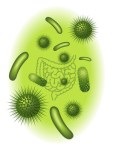 Effect of prebiotics on intestinal health indicators
The high demand of chicken meat observed in recent years guarantees a future of sustained growth for the sector. However, the good prospects coexist with important challenges. Thus, the recent ban on the use of antibiotics as growth promoters due to the risk of transmission of resistance to antibiotics to consumers (Regulation [EC] No. 1831/2003) has led to the search for new additives for prevention of intestinal infections. In this line of research we have studied the role of different probiotics and prebiotics on the structure of the intestinal epithelium (development of villi, microvilli, goblet cell count, identification of M cells and expression of MUC2) and on the epithelial barrier function.
 Methionine hydroxyanalogue in chicken nutrition
Feed for chickens based on wheat and soybean are deficient in L-methionine. To meet the nutritional requirements of the chicken for this amino acid, it is necessary to supplement them. DL-2-hydroxy-(4-methylthio)butanoic acid (HMTBA) is a widely used L-methionine source in the poultry sector. In this line of research, we have identified the transport system involved in the intestinal absorption of the hydroxyanalogue, its conversion to L-methionine in the intestinal epithelium and the regulation of both processes by dietary HMTBA contents. We have also studied the protective role of the HMTBA on the epithelial barrier function in a model of intestinal inflammation.
 LiBiFOOD blog
One comment
Els comentaris estan tancats.