Autor: libifood

Oferta para realizar un Doctorado

Te gusta la investigación? Te gustaría unirte a nuestro grupo de investigación? El campo de los lípidos y compuestos bioactivos tiene muchos puntos por explorar!

Buscamos 1 candidato/a para realizar el Doctorado en el programa Alimentación y Nutrición (contrato hasta 6 meses + 3 años condicionados a la obtención de una beca/ayuda pre-doctoral).

La Tesis Doctoral formará parte del proyecto MCBYFATS financiado por el Ministerio de Ciencia e Innovación (Agencia Estatal de Investigación).

Se trata de un proyecto coordinado con la Universidad Autónoma de Barcelona, cuyo objetivo global es estudiar la utilización de subproductos grasos ricos en ácidos grasos de cadena media para la alimentación de animales monogástricos (gallinas, pollos y peces) con especial atención a sus efectos sobre la inflamación intestinal y sobre la composición y calidad de los alimentos obtenidos de ellos (huevo, carne y filete de pescado).

Las tareas a desarrollar durante el Doctorado incluyen, entre otras:

  • Búsqueda bibliográfica
  • Evaluación de la función intestinal de barrera en cultivos celulares
  • Análisis químico de muestras por técnicas generales de laboratorio, GC-FID, GC-MS y HPLC-FLD.
  • Evaluación estadística de los resultados por técnicas univariantes y ómicas
  • Presentación de resultados en congresos internacionales y redacción de artículos de investigación.
  • Posibilidad de estancias en el extranjero.

Requisitos:

Formación Académica:

  • Graduados en Farmacia
  • Graduados en Ciencia y Tecnología de los Alimentos que hayan cursado (o estén finalizando) un Máster Oficial
  • Graduados en Química o Biología que hayan cursado (o estén finalizando) un Máster Oficial

Expediente académico: superior a 8.0

Se valorará:

  • Ser autor de publicaciones científicas o comunicaciones a congresos
  • Premios académicos y becas de investigación previas
  • Estancias de intercambio (Erasmus o similares)
  • Haber participado en alguna actividad de investigación
  • Buen nivel de inglés

Modalidad de contratación y salario:

2 períodos consecutivos:

  1. Contrato como Técnico/a de Investigación (sueldo bruto aprox 1250 €/mes). Hasta 6 meses
  2. Posteriormente, 3 años condicionados a la obtención de una ayuda/beca pre-doctoral tipo APIF-UB o FI-Generalitat, o hasta 4 años en caso de beca FPU- Ministerio de Educación y Formación Profesional. Sueldo en función de las condiciones establecidas en cada convocatoria.

Incorporación: A partir del 15 de Octubre de 2021.

Interesados, enviar Curriculum Vitae donde figure la nota media y carta de motivación a: fguardiola@ub.edu

(Data límite 23 de Julio de 2021)

1 Post-doc and 2 PhD positions

Would you like to join our research group? Currently we are searching 1 post-doc and 2 PhD students for different research lines:

  • PhD on Food authenticity: find new analytical strategies to identify authentic foods and prevent food fraud. In this PhD, state-of-the art analytical determinations combined with data processing by chemometrics (fingerprinting/omics) will be applied.  See here text call and application procedure 

(c) alswart – Fotolia

  • PhD on Lipids in animal feeding: study ways of re-valorizing of fat by-products as animal feed ingredients and their effects on meat composition, quality and stability. This PhD is a part of a collaborative project with companies in which new feed ingredients are being developed. See here text call and application procedure

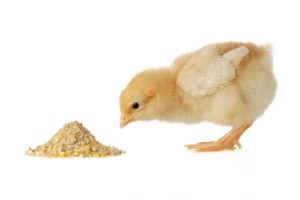
Baby chicken having a meal

© Ljupco Smokovski 2007


Joan Campo, scientific internship at Adisseo

foto noticia

CC BY JoanCampo

Joan Campo, one of our PhD students, is doing an internship at Adisseo France S.A.S. (Commentry, France) for a period of 5 months. This collaboration was possible thanks to  Adisseo building a new cell culture facility at Adisseo Centre of Expertise and Research in Nutrition (CERN) where he is developing his internship. At CERN, Adisseo has experimental facilities allowing the evaluation of animal nutrition which now incorporates studies with cellular cultures.

This insternship has received funding from the Fundació Universitària Agustí Pedro i Pons. 

Which chicken do you eat for Christmas?

Chicken is part of our Christmas gastronomy. While we wish you a very merry Christmas, we have written a small summary of autoctonous catalan chicken breeds, in case you would like to enjoy easting one of them during Christmas! Have a nice meal and Merry Christmas!  

Chicken origin

Origin – All chickens in the world come from a wild ancestor of Southeast Asia, the red hen of the jungle (Gallus gallus). Domestication, expansion and selection of breeds have led to the varieties we know today. In Catalonia, it would have arrived during the classical antiquity: the Romans used the Greek breeds for meat (they were large porters but bad breeders) and their own breeds for laying eggs. The natural and artificial selection and the introduction of genes originating in other countries have been forming, with the years, resistant and adapted animals in our environment that we consider as native.
From the 18th century, the definition and improvement of the autochthonous breeds began in Catalonia and the following races arose as the more popular: Catalana del Prat, Penedesenca and Empordanesa. In the 1950s, breeding of more productive foreign breeds (Leghorn, Rhode Island, New Hampshire, etc.) caused the regression of autochthonous breeds, but in 1974 began the recuperation of the breed of the Prat and in 1982, the recuperation of the Penedesenca and Empordanesa breeds.


Diversity of Catalan chicken breeds

El Prat chicken breed (www.pollastresdelprat.org)

Originated in Baix Llobregat. The hen is an excellent layer (pink eggshell) and chickens are very apt to make capons with very fine meat. Big-headed chickens, with a simple, rather large, 5-6-teeth crest; large and hanging beards and oblique and white ears. Long and arched peak and slate blue legs. This race has two varieties: a) tawny (fair feathers without reaching red) and b) white (plumage of white colour).

imgcalculadaAfter a process of purebred improvement, the chickens arrive to 2.2 kg (minimum required for the sacrifice) at 14-weeks of life, although the best the best age to enjoy the meat is between 15 and 18 weeks. Meat is low in fat, very fibrous and slightly pasty, and much tastier than conventional chickens. The race of el Prat has granted a Protected Geographical Indication (PGI) of the European Union with the name “Chicken and capon of El Prat”. This race responds very well to the effects of castration and capons are marketed for Christmas time (they reach 5 kg of weight at 8 months of age). The meat of the capon is distinguished from that of the chicken because it is tender and has a more pronounced taste. Tenderness is due to a higher fat content.

Penedesenca Breed (www.galldelpenedes.cat)

The hens lay eggs with the shell of a very intense brown-red colour, known as the red eggs from Vilafranca. It is a light bird with a lot of vitality. Big and broad headed chickens; simple, medium-sized crest with 5-6 teeth. Medium and hanging beards and white ears red edged. Long peak, slightly curved and strong.

This race has four varieties: a) black (plumage and legs completely black but white plants); b) quailed (chest completely black with some red feather and grey sub-plumage); c) wheat colour (very similar to the quailed variety but with white sub-plumage, and blue light slate legs) and, finally, d) barred (very similar to the quailed variety but with clear strips in all the body and white legs).

raisin vertThe main attraction of the Penedesenca race is the production of dark eggs but they are also used to produce meat; in this case, the black variety (Penedesenca Negra) is the most cost-efficient since the chicken achieves 2.2 kg at 11 weeks of age. The meat is characterized by a low fat contents, tenderness and juicy. Another one of its peculiarities, is that according to the traditional agronomic practice in the area, the diet of Gall del Penedès includes grapes, offering to it unique organoleptic properties compared to chickens fed with other diets.

Currently,  the product is protected under the PGI Gall del Penedès.


Empordanesa breed (www.empordanesa.org)

empordanesa

Empordanesa breed (Photo: A. i M. Francesch)

Originated from hens of the Empordà, they also lay dark eggs. The chicken can reach 2.5 kg of weight at 18 weeks of age. The rooster has a simple medium, 5-6-teeth crest; medium and rounded bears and oblique and red ears. Short and arched peak and yellow legs. This race has three varieties: a) white (white plumage): b) red (red tawny plumage with black in the neck, tail and wings and sub-plumage of cream colour) and, c) fair (fair plumage with black, blue or white in the neck, tail and wings with grey or white sub-plumage. The meat of this race is of quality, fibrous and slightly pasty.

The Prat and Empordà breeds as well as the black Penedesenca are best suited for an improvement program for the production of meat and the other varieties, with a lower consumption of feed, promise more for a program to improve the production of eggs.

Downlod our Christmas postcard!


Francesch, A. (1990) Les races de gallines catalanes: del passat cap al futur, Quaderns Agraris, 12 : 63-70.

Francesch, A. (2010). Races autòctones. Races avícoles. Dossier Tècnic (Ruralcat, Generalitat de Catalunya) 44, agost de 2010.

Please use the following link to cite this article: http://hdl.handle.net/2445/120174

Authors: Raquel Martín-Venegas, Joan Campo-Sabariz, M. Teresa Brufau, Alba TresRuth Ferrer

Enjoy summer drinking tiger nut milk

Tiger nut milk (horchata in Spanish) is a nutritious, refreshing and very healthy product that is obtained from the tigernut, a tuber that was introduced by the Arabs in the 8th century. It is the Mediterranean drink par excellence, being high energetic, and it does not contain alcohol, caffeine, lactose or fructose and has a low sodium content. Thus, it is an ideal drink for the whole family, including children, and especially in substitution of carbonated and sweetened beverages.

  • Tiger nut milk composition

Tiger nut milk has a high content of water and carbohydrates and soluble fiber, and also contains proteins and fats, which are mainly monounsaturated fatty acids and it does not contain cholesterol. In addition, it provides vitamins and it is rich in minerals, such as potassium, calcium, phosphorus, magnesium and zinc (more information in this link).

Because of its composition, tiger nut milk is a drink with many healthy properties, since it has been described that can contribute to a good status of the cardiovascular, immune and  gastrointestinal systems. In this sense, and because of its soluble fiber content, it is considered a drink with prebiotic properties.

  • What is a prebiotic?

A prebiotic is defined as a component of the diet, essentially non-starch polysaccharides and non-digestible oligosaccharides, which is fermented selectively and it produces specific changes in the composition and / or activity of the intestinal microbiota, mainly bifidobacteria and lactobacilli, thus giving beneficial health effects (for information in this link).

One of our research lines focuses on several related bioactive compounds such as prebiotics, intestinal health indicators.

flora batterica intestinale

  • What are the benefits of a healthy microbiota?

The intestinal microbiota digests components of the diet that provide essential nutrients such as vitamins and amino acids; generates short chain fatty acids that inhibit the growth of pathogens and are a source of energy for enterocytes; competes with pathogens for space and nutrients; and improves intestinal barrier function because  stimulates the production of mucus and antimicrobial compounds that regulate epithelial permeability and modulate the immune response (more information available following this link).  

Thus, prebiotics contribute to intestinal health and can therefore help to prevent and treat certain diseases of the digestive system, such as diarrhea, an alteration that is very frequent in summer. In addition, there are studies that report that they can have positive effects on certain systemic diseases such as obesity or anxiety.

And with this fresh recommendation, the LIBIFOOD team wishes you happy summer holidays!!

Article deposited in the UB Digital Deposit. Please, use this identifier to cite it: http://hdl.handle.net/2445/120278
By Ruth Ferrer, PhD , Alba Tres, PhD and Raquel Martin, PhD


We are at the… Food Integrity 2017

food_integrity_logo-500We are at the Food Integrity Conference 2017, in Parma, Italy (May, 9-10th, 2017). We are presenting our latest results on our research on olive oil authentication within the Autenfood project (ACCIO-Generalitat de Catalunya/FEDER, INNOAPAT RIS3CAT Community), and on the Characterization and standardization of fat by-products used in feeds.
 

We are at the… ESPN 2017

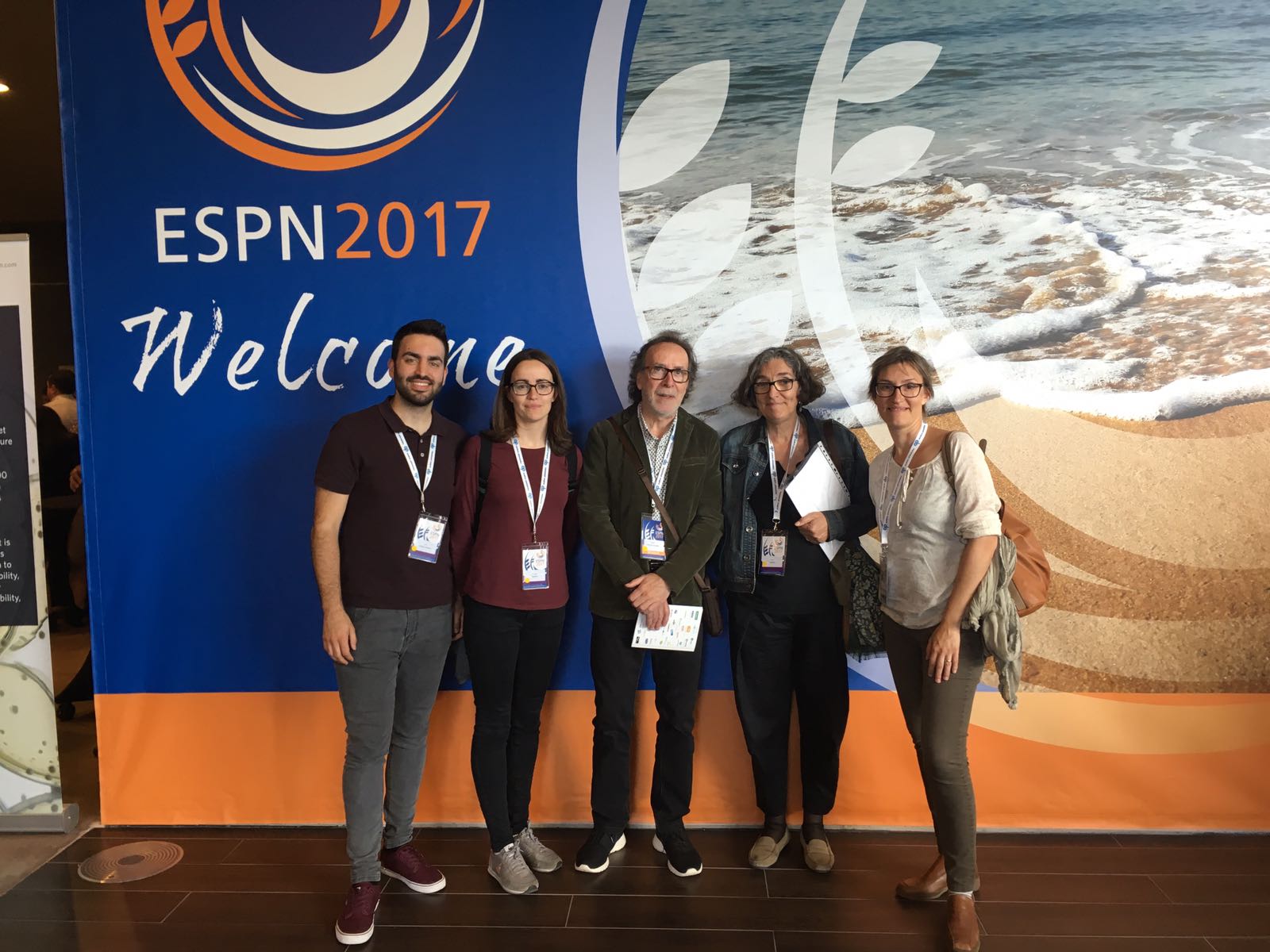
IMG-20170510-WA0014We are at the 21st European Symposium on Poultry Nutrition (8-11 May 2017, Salou, Spain). We are presenting our research on Feed raw materials, on Quality Control and nutritional quality of animal fats, and on Bioactive compounds on poultry nutrition. Meet us!

Meet us in the 15th Euro Fed Lipid congress in Uppsala!

logo_uppsala_2017

We will attend the 2017 Euro Fed Lipid Congress “Oil, Fats and Lipids: New Technologies and Applications for a Healthier Life”in Uppsala (Sweden)  to present our latests results in our animal feeding research  and on olive oil research.

Two posters will be presented on animal feeding research:

“Quality of acid oils and fatty acid distillates used in animal feeding”

“Oxidative stability of acid oils and fatty acid distillates used in animal feeding”

These results correspond to our current project on the valorization of fat by-products and co-products for animal feeding purposes.

This is a 4-year project that started on 2016, and it is funded by the Spanish Ministry of Economy, Industy and Competitiveness and the European Regional Development Fund (ERDF – FEDER)  (ref: AGL2015-64431-C2-2-R MINECO/FEDER, UE).

2011-web-economiac-63pxbanner_145x50

One poster will be presented on olive oil research:

“Sesquiterpene fingerprint for olive oil authentication: same tool, different approach”

This poster presents the first results of our research within the OLEUM project, funded by the European Union’s Horizon 2020 research and innovation programme (grant agreement No 635690).

We hope to meet you there!

We are at the…. Feed 2016: 5th International Feed Conference

Baby chicken having a mealWe are at the Feed2016: 5th International Feed Conference. Present and future challenges. that has taken place in Geel, Belgium, October 19th-20th, 2016.

We have presented ourmost recent and current research on feed ingredients and oil by-products, under the title “Oil standardization: the key step to be done to encourage the use of acid oils?” This study belongs to our reserach line on Fats in animal feeding, and the Valorization of fat by-products and co-products for animal feeding.

We are at the….CAC2016!

Aceite de olivaWe are at the CAC2016: Chemometrics in Analytical Chemistry, that is take place in Barcelona, June 6th-10th, 2016.

We have presented a part of our results on the detection of virgin olive oil adulteration with other vegetable oils. This study belongs to our reserach line on Food characterization and authentication. IMG_20160607_104510