
By Photocapy (CC BY SA) (https://commons.wikimedia.org/wiki/File:Horchata_de_chufa_2.jpg)
Tiger nut milk (horchata in Spanish) is a nutritious, refreshing and very healthy product that is obtained from the tigernut, a tuber that was introduced by the Arabs in the 8th century. It is the Mediterranean drink par excellence, being high energetic, and it does not contain alcohol, caffeine, lactose or fructose and has a low sodium content. Thus, it is an ideal drink for the whole family, including children, and especially in substitution of carbonated and sweetened beverages.
- Tiger nut milk composition
Tiger nut milk has a high content of water and carbohydrates and soluble fiber, and also contains proteins and fats, which are mainly monounsaturated fatty acids and it does not contain cholesterol. In addition, it provides vitamins and it is rich in minerals, such as potassium, calcium, phosphorus, magnesium and zinc (more information in this link).
Because of its composition, tiger nut milk is a drink with many healthy properties, since it has been described that can contribute to a good status of the cardiovascular, immune and gastrointestinal systems. In this sense, and because of its soluble fiber content, it is considered a drink with prebiotic properties.
- What is a prebiotic?
A prebiotic is defined as a component of the diet, essentially non-starch polysaccharides and non-digestible oligosaccharides, which is fermented selectively and it produces specific changes in the composition and / or activity of the intestinal microbiota, mainly bifidobacteria and lactobacilli, thus giving beneficial health effects (for information in this link).
One of our research lines focuses on several related bioactive compounds such as prebiotics, intestinal health indicators.
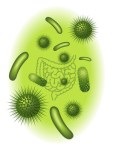
- What are the benefits of a healthy microbiota?
The intestinal microbiota digests components of the diet that provide essential nutrients such as vitamins and amino acids; generates short chain fatty acids that inhibit the growth of pathogens and are a source of energy for enterocytes; competes with pathogens for space and nutrients; and improves intestinal barrier function because stimulates the production of mucus and antimicrobial compounds that regulate epithelial permeability and modulate the immune response (more information available following this link).
Thus, prebiotics contribute to intestinal health and can therefore help to prevent and treat certain diseases of the digestive system, such as diarrhea, an alteration that is very frequent in summer. In addition, there are studies that report that they can have positive effects on certain systemic diseases such as obesity or anxiety.
And with this fresh recommendation, the LIBIFOOD team wishes you happy summer holidays!!
Article deposited in the UB Digital Deposit. Please, use this identifier to cite it: http://hdl.handle.net/2445/120278
By Ruth Ferrer, PhD , Alba Tres, PhD and Raquel Martin, PhD
 LiBiFOOD blog
